Why Install a Water Filtration System
Clean water plays a vital role in supporting health, extending the life of plumbing systems, and improving the overall function of a home. Installing a water filtration system helps reduce exposure to harmful contaminants and enhances the quality of water used for drinking, cooking, and cleaning. With the right system in place, many long-term benefits can be achieved without relying on single-use bottled water or temporary solutions.
Benefits of Whole Home Water Filtration Systems
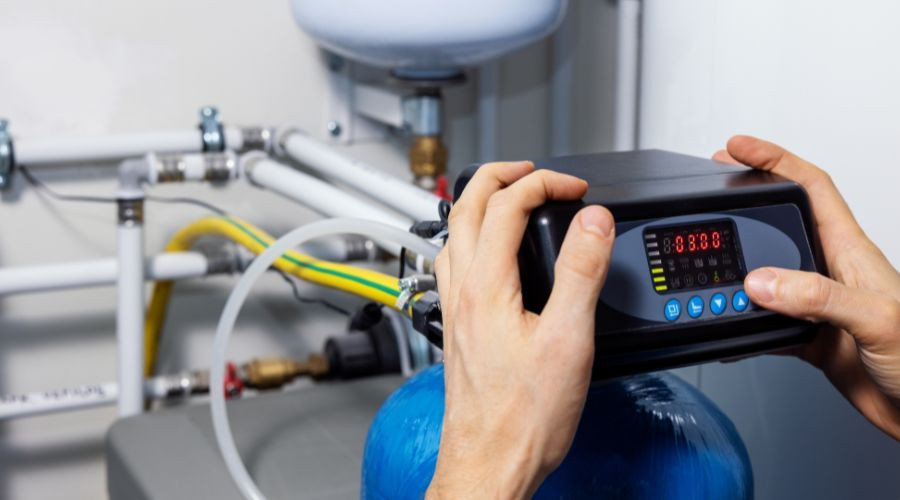
 Whole-house water filters provide cleaner water by removing contaminants like chlorine, sediment, and heavy metals. This leads to better-tasting and better-smelling water from every tap in the home. Filtration also protects plumbing fixtures and appliances by reducing buildup and corrosion caused by hard or dirty water.
Improved water quality contributes to healthier skin and hair, especially in homes with high chlorine levels. Cleaner water reduces the need for bottled alternatives, lowering monthly expenses and minimizing plastic waste. Over time, fewer plumbing repairs and extended appliance lifespans create noticeable savings.
Some systems include water softening functions that reduce calcium and magnesium content in hard water. These dual-purpose units provide additional benefits such as reduced soap scum, better detergent performance, and softer laundry. A single system that handles both filtration and softening creates an efficient solution for comprehensive water treatment.
Signs a Home Needs a Water Filtration System
 Bad-tasting or foul-smelling tap water often indicates the presence of chlorine, sulfur, or organic contaminants. Cloudy or discolored water may signal sediment, rust, or other particles flowing through the pipes. Frequent spotting on dishes or dry skin after bathing may also point to water quality issues.
Concerns about water safety arise after contamination events or changes in local water supply conditions. Elevated levels of lead, bacteria, or nitrates can pose health risks without obvious signs. Testing water quality provides the most accurate picture of what may be present in the system.
Visual and sensory changes should not be ignored, especially when combined with aging plumbing or private well use. Regular monitoring and attention to water appearance, taste, and odor help identify problems early. Installing a filtration system ensures more consistent and reliable water quality.
How to Choose a Whole House Water Filter
The specific contaminants present in a home’s water supply determine the type of filtration needed. Water testing reveals whether a system should target chlorine, sediment, heavy metals, bacteria, or a combination of pollutants. A detailed analysis provides the foundation for selecting the right filtration technology.
Homes with hard water may benefit from a combination system that filters and softens at the same time. Reverse osmosis systems are suitable for removing a broad range of impurities, including dissolved solids and chemicals. Other options, such as activated carbon filters or UV systems, offer targeted treatment based on water quality results.
Proper sizing and capacity ensure that the system can handle daily household water usage. Flow rate, filter lifespan, and maintenance requirements also play a role in selecting the best fit. Consulting with water treatment professionals or using lab-tested results improves decision-making and system performance.
About All Clear Plumbing
All Clear Plumbing is a reliable plumbing and heating services company serving Belleville, NJ, and beyond. They offer flat-rate pricing, trustworthy technicians, and peace of mind. Call them for water filtration systems in Belleville, NJ.